


Spring hits different in America’s national parks — the snow pulls back, wildflowers push through the soil, waterfalls roar at full volume from all that melting runoff, and most of the summer crowds haven’t shown up yet. If you time your trip between March and May, you get the best of both worlds: comfortable hiking temperatures and some of the most dramatic landscapes these parks will show all year.
Whether you’re chasing desert blooms in Arizona, cherry-dogwood explosions in Virginia, or waterfalls at peak flow in California, spring is honestly the sweet spot for national park travel. Here are 10 Best National Parks that genuinely shine this time of year, with tips on what to look for and when to go.
1. Great Smoky Mountains National Park, Tennessee/North Carolina
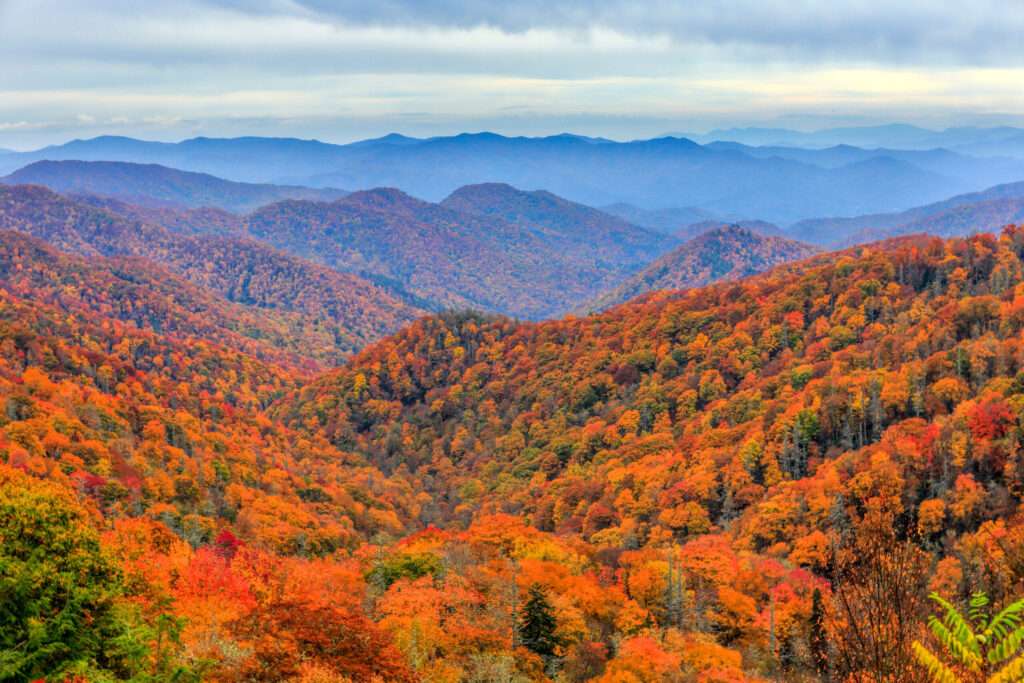
The Smokies earn their “Wildflower National Park” nickname every spring — from late March through May, over 1,500 flowering plant species push through the forest floor, making it arguably the best wildflower destination in the eastern US. The park hosts the Spring Wildflower Pilgrimage in late April, a week-long event with guided hikes led by naturalists, which is a great way to actually learn what you’re looking at instead of just snapping photos and moving on. Porters Creek Trail and Chestnut Top Trail are two of the most loaded flower hikes in the park, with trillium, bloodroot, and lady slippers all showing off at the same time. If you love flower-hunting drives, check out our guide to the 12 Best Wildflower Drives in the US for more routes that bloom beautifully in spring.
Gear picks for this park:
- 🌸 Peterson Field Guide to Wildflowers — the classic pocket-sized identification guide, perfect for actually naming what you’re photographing on the trail.
- 🎒 Osprey Daylite Plus Daypack — lightweight 20L pack with hydration sleeve, ideal for long wildflower hikes.
Disclosure: This post contains affiliate links. As an Amazon Associate, I earn from qualifying purchases at no extra cost to you.
2. Yosemite National Park, California
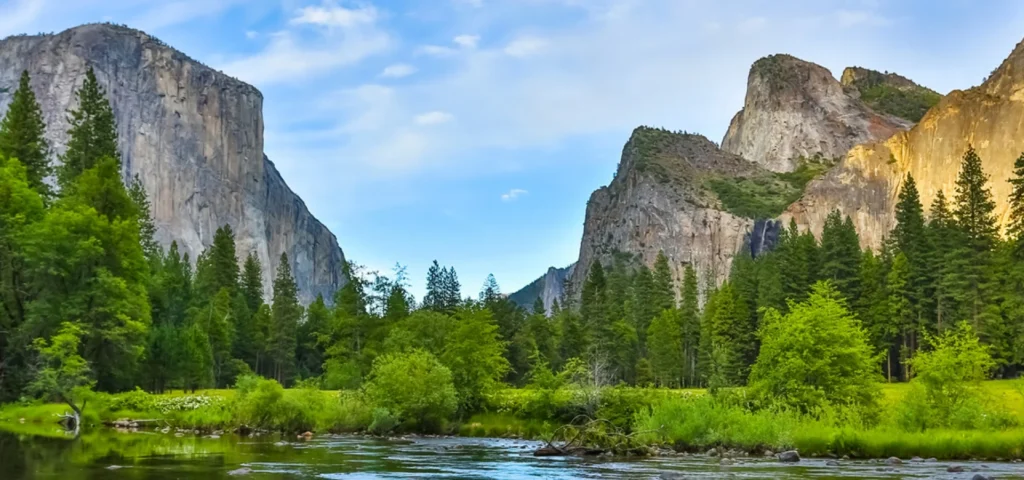
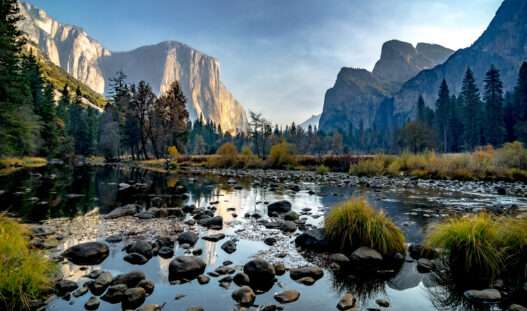
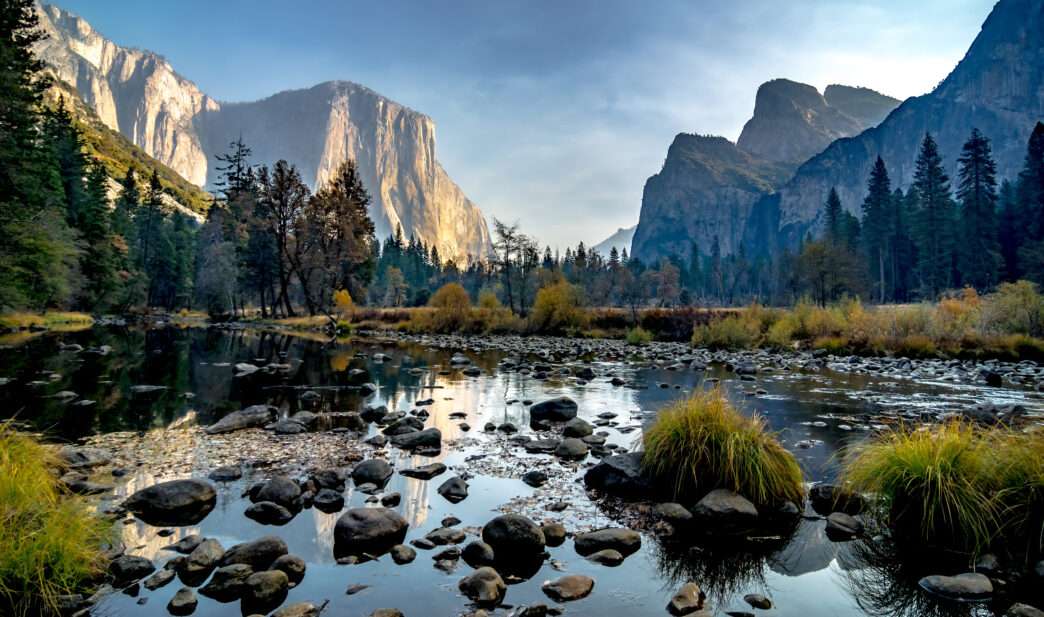
Spring is waterfall season in Yosemite, full stop — all that Sierra Nevada snowmelt feeds Yosemite Falls, Bridalveil Fall, and Vernal Fall into a thundering peak, usually sometime in May. The famous Firefall phenomenon at Horsetail Fall happens in mid to late February, where the setting sun lights up the cascading water like molten lava, but you need clear weather and enough flow for it to work properly. Tioga Road and Glacier Point Road are typically closed from snow until late May or June, so plan your visit around Yosemite Valley, which stays accessible all year round. Wildflowers in the valley meadows and blooming dogwoods along the Merced River are reason enough to come in April, before the summer reservation rush kicks in hard.
Gear picks for this park:
- 👟 Columbia Newton Ridge Plus Waterproof Hiking Boots — waterproof boots built for the muddy, wet trails near the falls in spring.
- 📷 AmazonBasics Waterproof Dry Bag — keeps your camera, phone, and electronics bone-dry from Yosemite’s misty waterfall spray.
3. Zion National Park, Utah
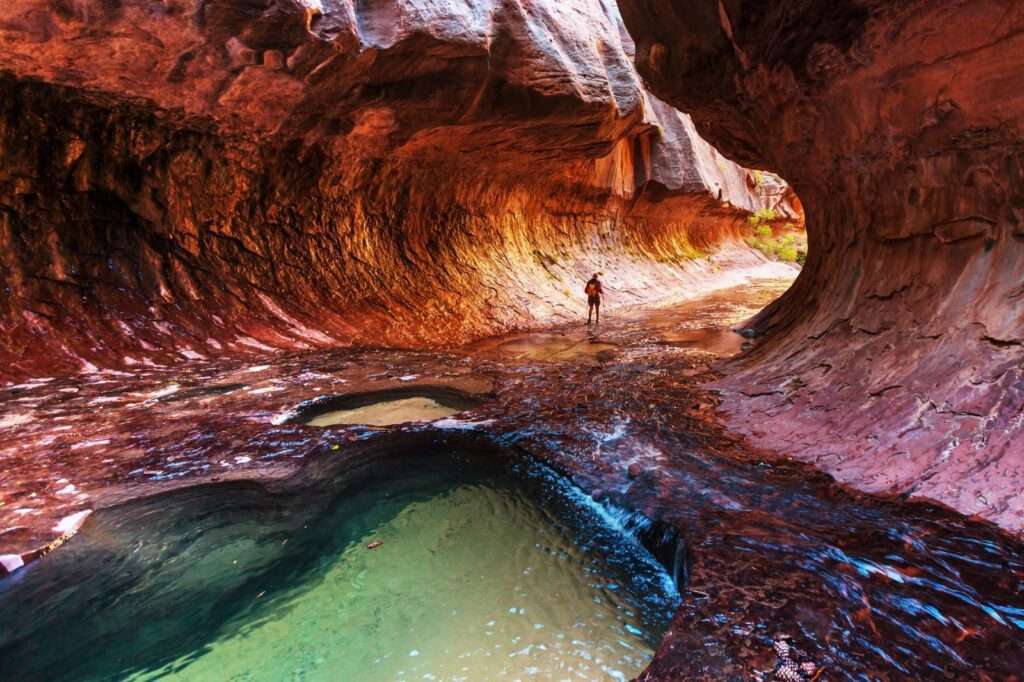
Zion in spring means temperatures in the 60s and 70s instead of the brutal 100+ degree summer heat that makes canyon hikes genuinely miserable. The Virgin River runs higher from snowmelt, which can affect The Narrows hike — it’s sometimes closed in April due to dangerous flows, but by May it usually opens back up and the canyon walls are glowing with new green growth. Angels Landing requires a permit now, and spring is one of the best seasons to tackle the chains section with cooler rock underfoot and clearer views than the hazy summer months. Desert wildflowers like claret cup cactus, sacred datura, and prince’s plume bloom across the park from March through May, adding pops of red, white, and yellow to that famous red rock scenery.
Gear picks for this park:
- 🥾 TrailBuddy Trekking Poles (4.7 stars) — aircraft-grade aluminum poles that are essential for Angels Landing and steep switchbacks.
- 💧 CamelBak M.U.L.E. Hydration Pack — 100 oz reservoir that’ll actually last you through a full day of canyon hiking.
4. Shenandoah National Park, Virginia
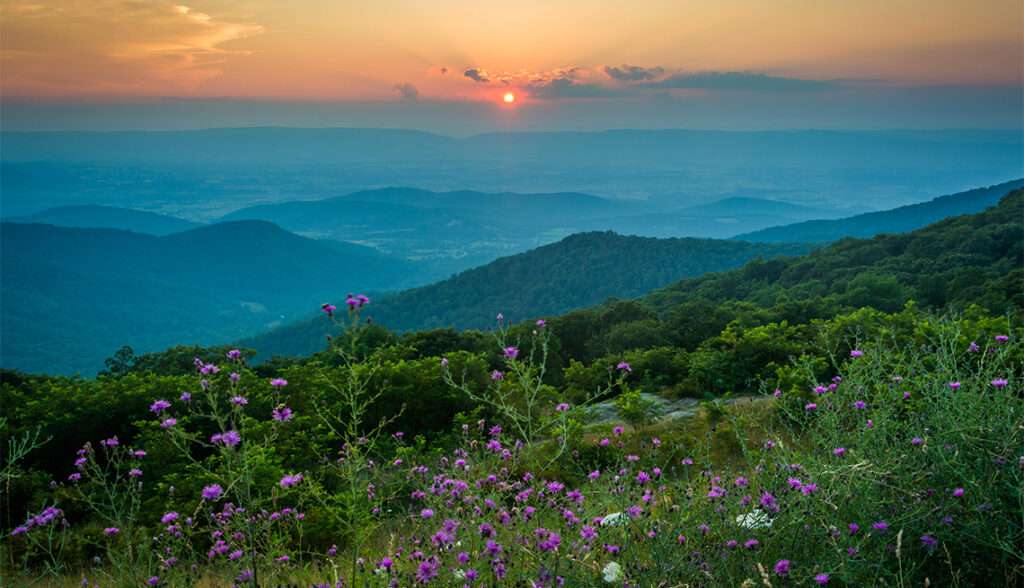
Few drives in America match Skyline Drive in late April through mid-May, when redbuds, dogwoods, and wildflowers light up the 105-mile ridgeline through the Blue Ridge Mountains. The park is home to around 850 flowering plant species, and meadow areas like Big Meadows turn into a patchwork of wild geranium, columbine, and lady slippers by mid-May. Dark Hollow Falls and Whiteoak Canyon waterfalls hit their strongest flow in April, fed by the spring rains that keep Virginia’s forests so lush this time of year. Black bears start emerging from winter dens in March and April, and you have genuinely good odds of spotting one from the road at dawn or dusk along the drive.
Gear picks for this park:
- 🔭 Nikon Prostaff 7S 10×42 Binoculars — sharp, bright optics perfect for spotting black bears and warblers from Skyline Drive pullouts.
- 🧊 Coleman 48-Quart Performance Cooler — great for packing roadside picnics at the countless overlooks along the drive.
Disclosure: This post contains affiliate links. As an Amazon Associate, I earn from qualifying purchases at no extra cost to you.
5. Big Bend National Park, Texas
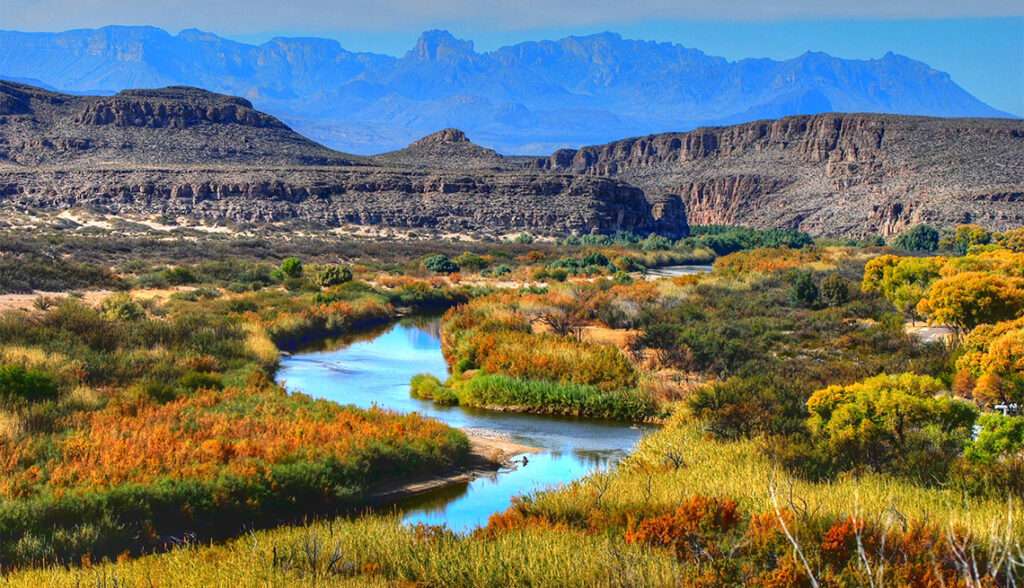
Big Bend’s window is narrow — spring is one of the only times the weather is actually pleasant before summer turns this corner of Texas into an absolute furnace. Big Bend bluebonnets (a taller cousin of the Texas state flower) bloom from late February through April, carpeting the desert floor in purple-blue alongside ocotillo blossoms and prickly pear flowers. The Chisos Basin area sits at higher elevation and stays noticeably cooler, making it the best base camp for hiking trails like the South Rim and Lost Mine Trail in April. Night skies here are some of the darkest in the continental US — Big Bend holds an International Dark Sky Park designation — and spring nights are cool enough to actually enjoy stargazing without the summer heat lingering past midnight.
Gear picks for this park:
- 🔭 Celestron Travel Scope 70 Portable Telescope — compact, beginner-friendly telescope that’s easy to pack and perfect for Big Bend’s legendary dark skies.
- 🔦 Black Diamond Spot 400 Headlamp — red-light mode preserves night vision while stargazing, plus it’s rugged enough for any desert trail.
6. Joshua Tree National Park, California
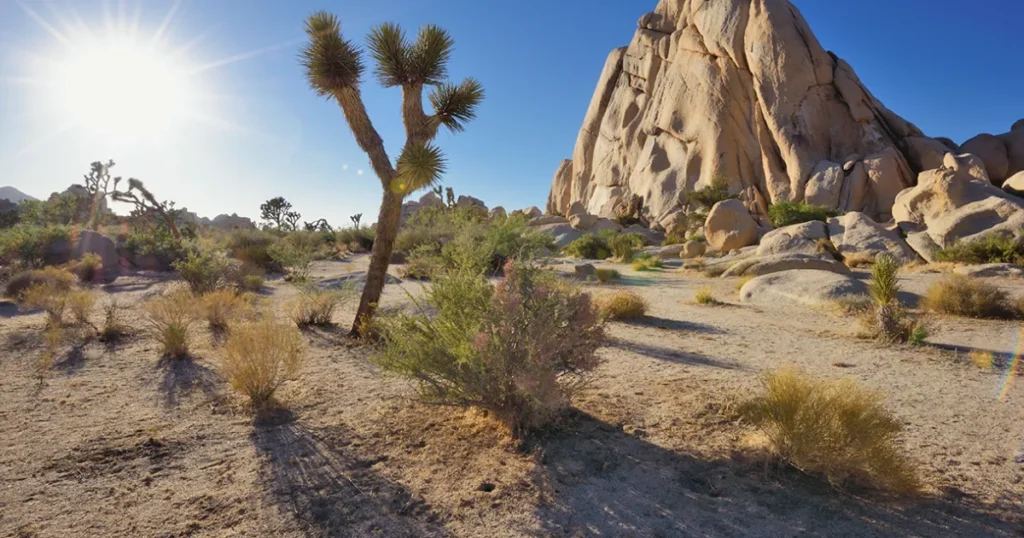
Joshua Tree in spring is the California desert at its most photogenic, with wildflowers carpeting the valleys and daytime temperatures that don’t require you to hide from the sun under a rock. Superbloom years — which depend entirely on winter rainfall — turn the park into an absurd display of desert marigolds, chia, and desert dandelions, with March through early April being the prime window. The Joshua trees themselves bloom in late March and April, putting out creamy white-green flower clusters on top of the iconic branches, which is something most visitors don’t even realize happens. Keys View at sunset and Hidden Valley for a short loop hike are essentials, and the cooler spring nights make the park’s stargazing genuinely unforgettable since it’s also an International Dark Sky Park.
Gear picks for this park:
- 🧢 Coolibar UPF 50+ Wide Brim Sun Hat — certified sun protection that’s essential for exposed desert trails with zero shade.
- 👟 Merrell Moab 3 Hiking Shoes — grippy Vibram soles handle sandy washes and rocky scrambles around Hidden Valley without breaking in.
7. Death Valley National Park, California/Nevada
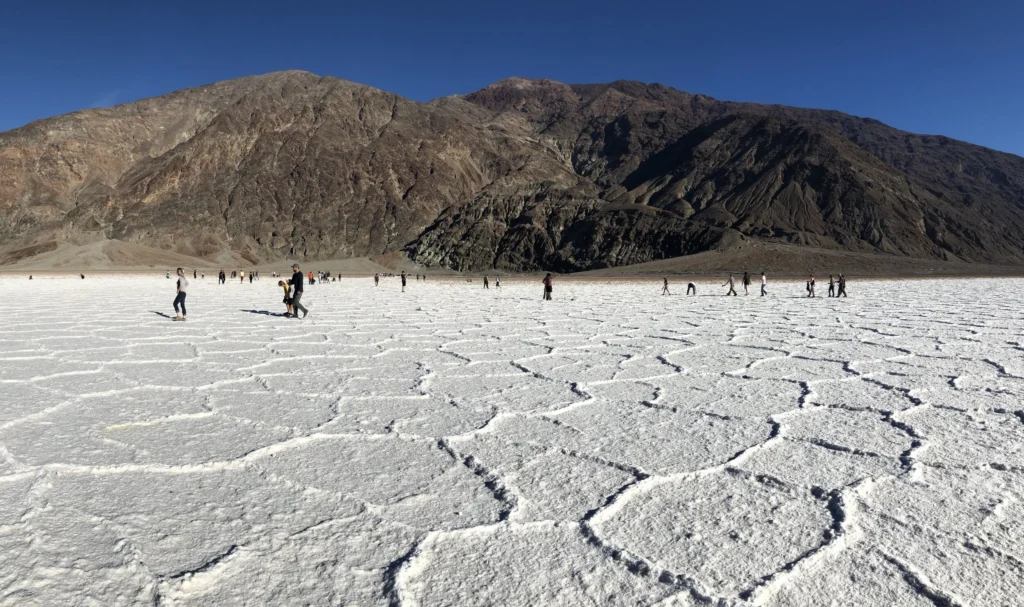
This one sounds counterintuitive, but Death Valley is at its most beautiful and hospitable in spring, with temperatures in the 70s and 80s instead of the deadly summer highs that can hit 130°F. When winter rains cooperate, Death Valley produces legendary superblooms — the 2016 and 2024 seasons were absolutely wild, with desert gold blanketing areas around Badwater Basin and the alluvial fans near Furnace Creek. Even in non-superbloom years, you’ll find wildflowers scattered along Jubilee Pass Road and the lower elevations from mid-February through early April. Spring is the only realistic season to tackle hikes like Telescope Peak or even just explore the salt flats, slot canyons, and sand dunes without risking serious heat illness.
Gear picks for this park:
- ❄️ Frogg Toggs Chilly Pad Cooling Towel — just wet, wring, and snap — drops your body temp for an hour at a time in the desert heat.
- 🥤 Hydro Flask 40 oz Wide Mouth Water Bottle — keeps water icy cold for 24 hours, which is non-negotiable when you’re hiking Badwater Basin.
Disclosure: This post contains affiliate links. As an Amazon Associate, I earn from qualifying purchases at no extra cost to you.
8. Saguaro National Park, Arizona
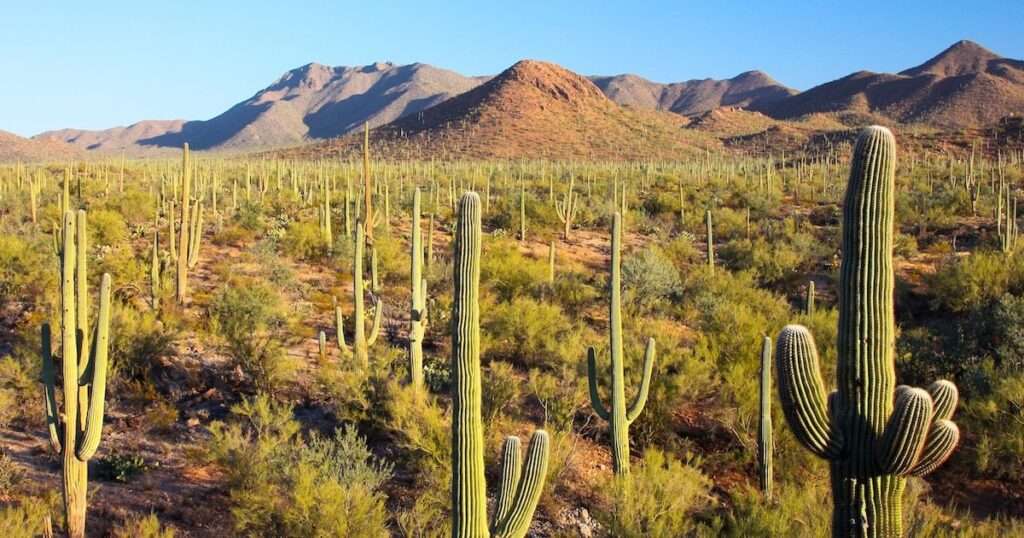
The giant saguaro cactus — the icon of the American Southwest — crowns itself with white flowers every spring, typically blooming from late April through early June, and the sight of 40-foot cacti topped with blossoms is genuinely something else. Daytime temperatures in March and April hover in the 70s and 80s, which is basically perfect hiking weather before Tucson’s summer heat makes the Sonoran Desert unbearable by noon. Signal Hill Trail in the West District takes you past ancient Hohokam petroglyphs and blooming wildflowers, and it’s a quick hike that delivers a lot for very little effort. Spring is also peak wildlife activity — you’ll likely spot javelinas, Gambel’s quail, gila woodpeckers, and possibly even a desert tortoise if you’re lucky on the trails.
Gear picks for this park:
- ☀️ Neutrogena Ultra Sheer SPF 70 Sunscreen — lightweight, non-greasy formula that actually holds up during a sweaty desert hike.
- 🧢 Outdoor Research Sun Runner Cap — removable sun cape protects your neck and ears, which take a beating in the Sonoran Desert.
9. Congaree National Park, South Carolina
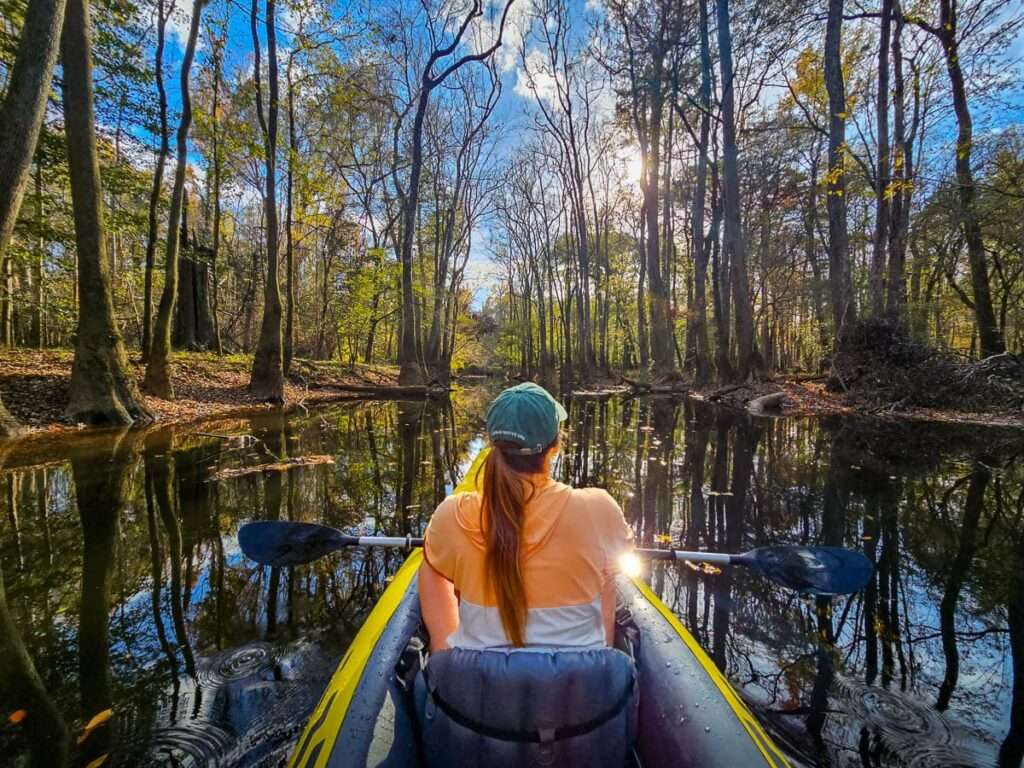
Congaree protects the largest intact expanse of old-growth bottomland hardwood forest left in the US, and spring is when this swampy, primeval landscape really comes alive after winter dormancy. Late May through early June brings the synchronous fireflies — a phenomenon where thousands of fireflies flash in unison, and Congaree is one of only a few places on Earth where this happens. The Boardwalk Loop Trail is a 2.4-mile elevated walkway that lets you move through the forest without wading, perfect for spotting barred owls, woodpeckers, and the massive bald cypress and tupelo trees draped in Spanish moss. Spring water levels can run high, which makes paddling Cedar Creek by kayak a fantastic way to experience the park from a totally different angle than the boardwalk offers.
Gear picks for this park:
- 🦟 Sawyer Permethrin Insect Repellent Spray — spray it on clothing to repel ticks and mosquitoes for weeks, which you absolutely need in a swampy park like this.
- 👢 Muck Boots Chore Classic Waterproof Boots — 100% waterproof rubber boots handle Congaree’s muddy, flooded trails without flinching.
10. Olympic National Park, Washington
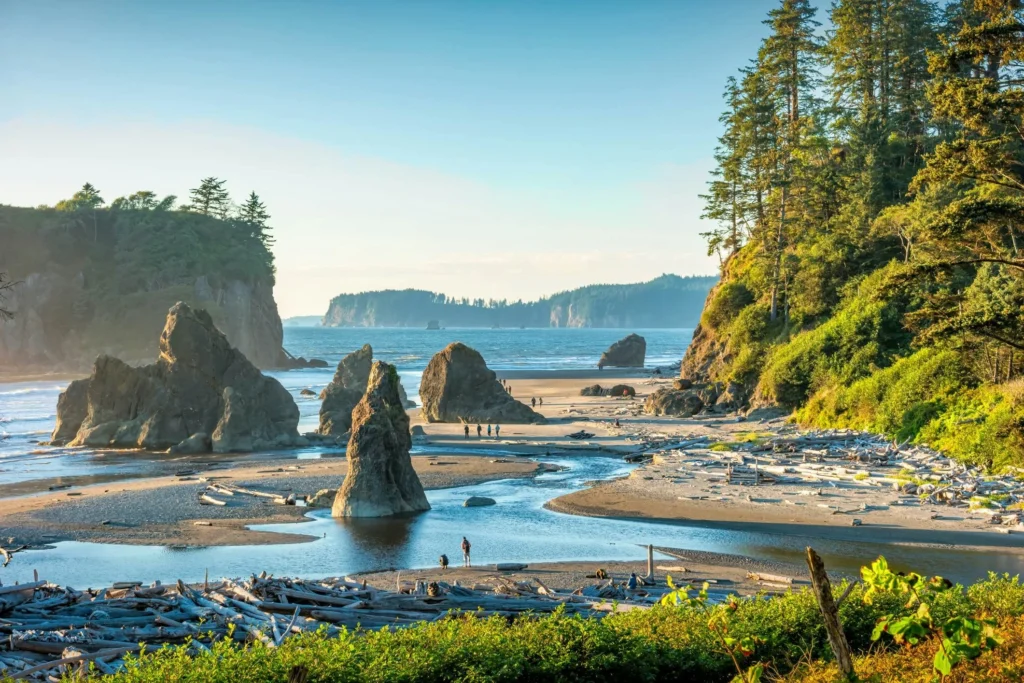
Olympic covers nearly a million acres across three completely different ecosystems — rugged coastline, temperate rainforest, and glaciated mountains — and spring hits each one in its own way. The Hoh Rain Forest explodes with new moss growth, ferns, and wildflowers, and with around 140 inches of annual rainfall feeding the forest, April and May visits feel like stepping into another world entirely. Hurricane Ridge typically still has snow through May, so you can go from snowshoeing in the morning to beach-combing at Ruby Beach in the afternoon if you plan the drive right. If you love drives that showcase wildly different terrain in a short distance, our guide to the 10 Best National Scenic Byways in the US covers more routes worth adding to your spring list.
Gear picks for this park:
- 🧥 Columbia Glennaker Lake Rain Jacket — packable, waterproof, and affordable — non-negotiable for Olympic’s constant drizzle.
- 🧦 Darn Tough Hiker Micro Crew Cushion Socks — merino wool socks with a lifetime guarantee that stay warm even when wet, which will happen out here.